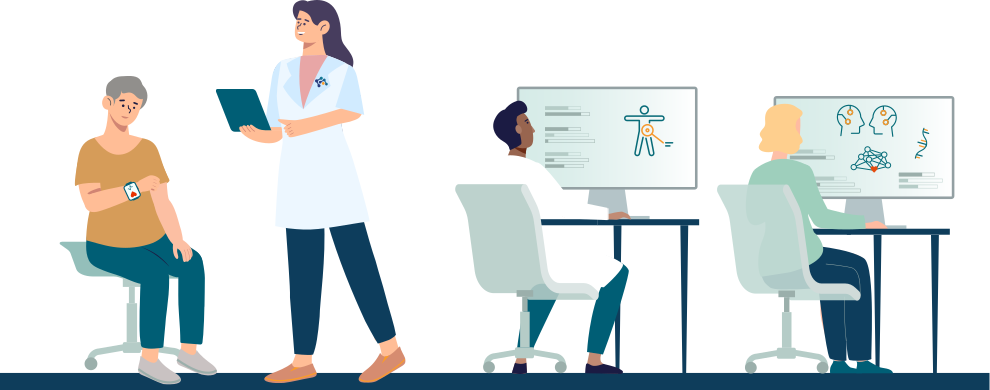
curATime consists of four innovation fields to which individual projects are assigned and which are networked with each other: curAIdent, curATreat, curATech, curAInnovate.
Projects

curAIdent

The curAIdent innovation field serves as the research foundation for curATime. Here, disease-relevant molecular signatures are identified, characterized, and validated as the basis for personalized RNA-based and other pharmacological interventions. This involves the use of state-of-the-art single-cell technologies, omics approaches, and AI-supported analytical methods, among other tools, to identify precise and clinically relevant target structures.
curACrossDev - Virtualized and Human-Centered Identification and Evaluation of Candidate Targets in Cross-Functional Drug Development
curACrossDev builds on the successes of the biosignATure project. The aim of curACrossDev is to accelerate the development of innovative approaches for the treatment of cardiovascular diseases, particularly in the context of metabolic disorders and obesity, through the application of advanced digital approaches. A key focus is the use of the digital twin technology, which enables the efficacy and safety of therapeutic interventions to be simulated entirely in silico, including virtual clinical trials. This allows the development and decision-making processes across preclinical and clinical research to be streamlined and validated under realistic conditions. Concurrently, the platform generates new opportunities to identify and prioritize promising candidate targets and therapeutic strategies at an early stage, thereby helping to reduce the number of failed clinical trials.
An interdisciplinary network spanning data-driven discovery, translational research, preclinical science, nanotechnology, and drug development continuously advances the platform. The testing and validation of the pipeline in real-world clinical development and market development settings is carried out in collaboration with a pharmaceutical company to accelerate its translation into pharmaceutical practice. curACrossDev thus lays the foundation for more efficient drug development and significant progress toward personalized therapies.
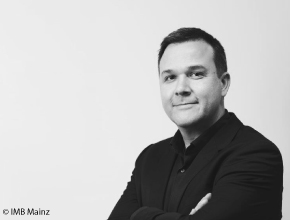 Univ.-Prof. Dr. med. Philipp Wild
Coordinator curACrossDev
Preventive Cardiology and Medical Prevention, Professorship „Clinical Epidemiology“, Coordinator Gutenberg Health Study (GHS), Principal Investigator Deutsches Zentrum für Herz-Kreislaufforschung (DZHK)
[javascript protected email address]
Subprojectleader:
Univ.-Prof. Dr. Miguel Andrade, Johannes Gutenberg-University Mainz
curATarget - Atherosclerosis targets in thrombo-inflammation
The goal of curATarget is to develop new treatment strategies for atherothrombosis. This disease is caused by atherosclerosis, a chronic inflammation of the arteries that contributes significantly to the development and complications of cardiovascular diseases. Thrombotic processes and their interactions with both the innate and adaptive immune systems play an important role in this process.
During the first funding period, curATarget has already developed AI-based methods that identify immune cell types that promote or protect against atherothrombosis and classify their interactions. In the next phase of the project, these methods will be further developed for monitoring treatment in preclinical intervention studies. The planned studies will specifically evaluate immunomodulatory therapeutic approaches in the context of clinically relevant standard lipid-lowering therapy to improve the clinical prioritization of new therapies. A particular focus is also on characterizing immune cells from human vascular deposits, which will be used to identify new target structures with the help of modern single-cell analyses and AI. Building on this, immunization strategies will be developed that intervene in the immune system in a targeted and well-tolerated manner. The use of innovative AI models to define disease processes and validate them in specific immunological intervention applications will accelerate the development of new, personalized therapies for atherothrombosis.
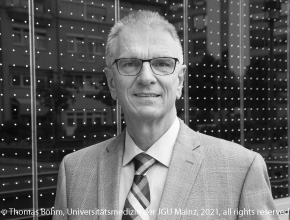 Univ.-Prof. Dr. Wolfram Ruf
Coordinator curATarget
Scientific Director of the Center for Thrombosis and Hemostasis at the University Medical Center Mainz
[javascript protected email address]
Subprojectleaders:
Dr. David Weber, TRON gGmbH
Univ.-Prof. Dr. Prof. h.c. Andreas Dengel, DFKI
microbAIome - Host-microbiome interactions in atherothrombosis
The project microbAIome, uses gnotobiotic mouse models to investigate microbiome-dependent modulation of vascular metabolic pathways involved in the development of atherothrombosis. In collaboration with industry partner StarSEQ GmbH, the project aims to identify key microbial marker species within the gut microbiome that are causally linked to the gut-liver-heart axis. Working with associated partner TRON gGmbH, the researchers intend to characterize in greater detail the microbiome's influence on the expression profile of sinusoidal liver endothelium using RNA-Seq analysis. Particular focus is placed on signaling pathways induced by the gut microbiome that regulate metabolic processes in the sinusoidal liver endothelium associated with atherosclerosis. The project aims to develop a diagnostic pipeline based on a metabarcoding approach. Building on the initial funding period, a select subset of samples from human cohorts will undergo functional characterization. Finally, the developed metabarcoding approach will be validated using patient cohorts, and microbial metabolic characteristics will be integrated into disease models.
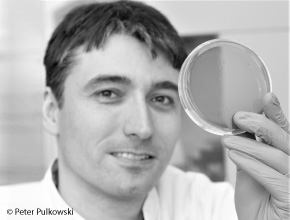 Univ. Prof. Dr. Christoph Reinhardt
Coordinator microbAIome
Center for Thrombosis and Hemostasis, University Medical Center Mainz
[javascript protected email address]
Link to research Prof. Reinhardt
Subprojectleaders:
Dr. Vincent ten Cate, University Medical Center Mainz
Dr. Sven-Ernö Bikar, StarSEQ
curATreat
The curATreat innovation field focuses on the preclinical and clinical-translational development of RNA-based therapies designed to intervene in the pathomechanism of atherothrombosis and cardiovascular diseases. This work continuously incorporates the prioritization of disease-relevant target structures carried out in curAIdent, as well as the knowledge gained in curATech, in order to enable the targeted validation and clinical development—particularly of mRNA-based interventions—for the treatment of cardiovascular diseases.

curATherapy - RNA-based therapeutic approaches for the treatment of atherothrombotic diseases
The curATherapy project is developing novel RNA-based therapies for the treatment of cardiovascular diseases such as atherosclerosis and myocardial infarction. The goal is to use innovative nanoparticles to deliver therapeutic RNA specifically to the cell types that play a key role in the development and progression of these diseases.
By combining modern RNA technologies with targeted delivery systems, the project aims to create a new generation of precise therapies capable of directly influencing disease-relevant processes within the affected tissue. In the long term, this approach opens up new possibilities for the prevention and treatment of cardiovascular diseases.
The developed therapeutics are comprehensively investigated in cell-based models as well as in preclinical disease models. In the process, their efficacy, safety, and underlying biological mechanisms of action are characterized and validated.
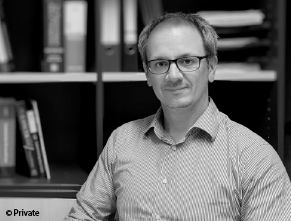 Dr. Boris Strilic
Coordinator curATherapy
TRON gGmbH
[javascript protected email address]
Subprojectleaders:
Dr. Michael Molitor, University Medical Center Mainz
Prof. Dr. Lutz Nuhn, Julius-Maximilians-University Würzburg
curAInfarct - Diagnostics and Therapy
curAInfarct focuses on novel concepts for treating heart failure—specifically ischemic heart failure resulting from a heart attack.
This condition is a leading cause of hospitalization, disability, and mortality, representing a significant medical and societal challenge. Despite major medical advances in the acute treatment of heart attacks, there are currently no effective methods to prevent the subsequent development of heart failure in patients who receive delayed treatment.
The project aims to develop—at both preclinical and clinical stages—innovative diagnostic tools and immunotherapies by specifically inhibiting signaling cascades that play a pivotal role in the development of heart failure following a heart attack. These cascades are primarily associated with coagulation and inflammation processes. By closely linking drug testing in preclinical models and patients with the validation of patient-specific biomarkers to guide therapy, curAInfarct makes a vital contribution to targeted treatment strategies for atherothrombotic diseases. In doing so, the project directly strengthens the clinical implementation of the curATime cluster’s innovation strategy.
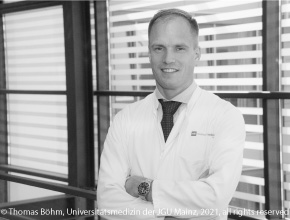 Prof. Dr. med. Philip Wenzel
Coordinator curAInfarct
Deputy Director Centrer for Cardiology I, Director Heart Failure Unit HFUZ037, Center for Thrombosis and Hemostasis, University Medical Center Mainz
[javascript protected email address]
Subprojectleaders:
Univ.-Prof. Dr. Wolfram Ruf, University Medical Center Mainz
Prof. Dr. med. Eberhard Wieland, Bioscientia Healthcare GmbH
ThrombID - Diagnostics of the thrombophilc vasculare dysfunction
The goal of ThrombID is to develop innovative testing methods for identifying vascular changes in autoimmune diseases and to integrate these methods into clinical diagnostics over the long term. Autoimmune diseases are associated with cardiovascular conditions and an increased risk of thrombosis. This is particularly true for antiphospholipid syndrome (APS).
During the first funding period, it was demonstrated that APS damages blood vessels. Vascular damage is considered a significant risk factor not only for thrombosis but also for cardiovascular disease. Building on these findings, the joint research project between Mainz University Medical Center and DiaSys Diagnostic Systems will develop testing methods that use plasma samples to detect damage to the endothelium—the lining of blood vessels—thereby providing measurable parameters for clinical diagnostics. In addition, the project is investigating the role of specific lipids that regulate potential protective mechanisms in blood vessels. Together with DiaSys, new diagnostic tests will be developed based on these findings. Key linkages to curATime’s overall strategy will be established through AI-supported biomarker identification and validation in patient cohorts, with the aim of detecting vascular damage in autoimmune diseases earlier and more precisely, thereby sustainably improving patient care.
Univ.-Prof. Dr. Wolfram Ruf
Coordinator ThrombID
Scientific Director Center for Thrombosis and Hemostasis, University Medical Center Mainz
[javascript protected email address]
Subprojectleader:
Dr. Kai Prager, DiaSys Diagnostic Systems GmbH
curAI-LINEAR - Actively-inducible lipid-based nanoparticles for effective arterial RNA therapy
New therapeutic approaches are needed for the treatment of cardiovascular diseases, as existing therapies often lack sufficient cell-type-specific precision and spatial control. RNA-based therapeutics offer particular potential for this purpose due to their high specificity and flexibility. curAI-LINEAR aims to develop programmable RNA switches that specifically activate therapeutic mRNAs in selected disease-relevant cell types by detecting RNA features present there. For targeted drug delivery, the curAI-LINEAR project additionally employs lipid-based nanoparticles designed to recognize specific surface features of target cells. The combination of cell-selective accumulation and cell-specific activation of therapeutic mRNAs enables precise effects at the target while minimizing adverse effects outside the diseased tissue.
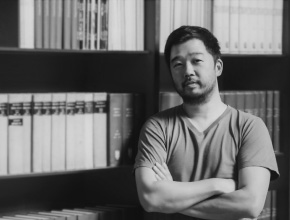 Prof. Dr. Johnny Kim
Coordinator curAI-LINEAR
TRON gGmbH
[javascript protected email address]
curARace - RNA-based celluar therapy for cardiovascular regeneration
Cardiovascular diseases are among the leading causes of death worldwide. The regeneration of damaged heart tissue following a heart attack remains a major medical challenge. In light of this, curARace is developing innovative approaches for regenerative cardiac medicine and research into new treatment options.
The goal of the curARace project is to develop a scalable platform for the production of functional human heart tissue that can be utilized in the long term for regenerative therapy approaches following a heart attack. At the same time, the platform serves as a modern testing system for the development and preclinical evaluation of innovative drugs such as therapeutic mRNA.
By combining advanced cell technologies with RNA-based approaches, the project aims to improve the functionality, integration, and tolerability of regenerative heart tissue. Furthermore, curARace creates new opportunities to study innovative active substances under conditions that closely mimic reality and to accelerate their development.
curARace thus makes an important contribution to the development of a new generation of regenerative and precision medicine therapeutics for cardiovascular diseases.
Prof. Dr. Johnny Kim
Coordinator curARace
TRON gGmbH
[javascript protected email address]
Subprojectleaders:
PD Dr. Robert Zweigerdt, Medizinische Hochschule Hannover
Dr. Boris Greber, Catalent GmbH
curATech

The curATech innovation field constitutes the methodological and technological backbone of curATime. The goal is to further develop key platforms for data integration, AI-supported analysis, imaging, and automation. The focus is on developing scalable, interoperable technologies that enable data-driven control and validation of RNA-based developments in curAIdent and curATreat. This creates a consistent, state-of-the-art data environment for diagnostics, drug development, and clinical implementation.
curAIdisc - curATime AI-driven integration for drug discovery and knowledge discovery
The complex, multifactorial nature of cardiovascular disease (CVD) and the heterogeneous data landscape pose major challenges in the development of new therapies. The curAIdisc project therefore proposes a decisive technological leap: a next-generation modular artificial intelligence platform that will accelerate the entire drug discovery process for atherosclerosis—from target identification through clinical development to adaptive trial conduct. To this end, an existing platform for drug discovery is being further developed—an AI framework for target identification, drug design, and clinical trial optimization.
The project pursues several objectives: improving predictive accuracy through the integration of multimodal data (sequencing data, routine data, ECG), using interpretable baseline models for target identification and repurposing, and establishing an automated pipeline for knowledge extraction based on agent-based AI and knowledge graphs.
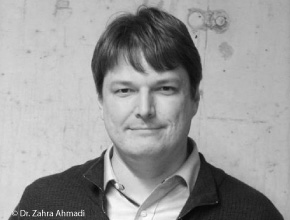 Univ.-Prof. Dr. Stefan Kramer
Coordinator curAIdisc
Institute for Informatics, Johannes Gutenberg University Mainz
[javascript protected email address]
Subprojectleader:
Prof. Dr. Sebastian Vollmer, DFKI
curASonic - Explainable deep learning models for ultrasound-based cardiac and vascular phenotyping
Echocardiography is a widely used, cost-effective, and accessible imaging modality for the assessment of cardiac structure and function. Similarly, carotid ultrasonography is an established technique for evaluating the morphology and pathology of the carotid arteries. However, conventional interpretation of ultrasound imaging captures only a fraction of the information contained within each video sequence.
Building on the breakthroughs achieved in the first funding phase projects, curAIheart and curAIvasc, the curASonic project harnesses state-of-the-art artificial intelligence to transform cardiac and carotid ultrasound imaging into a powerful platform for comprehensive cardiovascular assessment alongside a key industry partner. By integrating advanced AI-driven analysis with multimodal ultrasound data, the project aims to uncover novel markers of cardiovascular disease and disease progression while equipping clinicians with faster, more precise and personalized insights.
This next-generation pipeline has the potential to streamline clinical workflows, reduce physician workload, and advance the future of precision cardiovascular medicine.
Univ.-Prof. Dr. med. Philipp Wild
Co-Coordinator curASonic
Preventive Cardiology and Medical Prevention, Professorship „Clinical Epidemiology“, Coordinator Gutenberg Health Study (GHS), Principal Investigator Deutsches Zentrum für Herz-Kreislaufforschung (DZHK), [javascript protected email address]
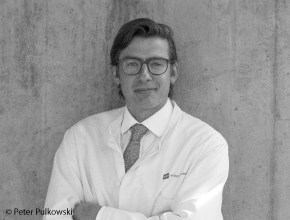 Univ.-Prof. Dr. med Philipp Lurz
Co-Coordinator curASonic
Director of the Center for Cardiology, Universtiy Medical Center Mainz, [javascript protected email address]
Subprojectleaders:
Univ.-Prof. Stefan Kramer, Johannes Gutenberg-University Mainz
Univ.-Prof. Dr. Prof. h.c. Andreas Dengel, DFKI
curAIAlert - AI-powered wearable warning system for heart failure patients
Heart failure is one of the most common reasons for hospitalization and reduced life expectancy. Despite modern treatments, monitoring often takes place only at scheduled intervals, leading to a high rate of undetected early deterioration.
This is where curAIAlert steps in: Using artificial intelligence and telemedicine, patients receive continuous support in their daily lives. Wearable devices such as smartwatches track health data including heart rate, activity levels, and oxygen saturation. This data is then combined with medical records and patient-reported information. AI learns each patient’s individual baseline values and detects deviations early on.
A digital health app supports both patients and doctors by providing alerts and specific recommendations for action. At the same time, gamification elements boost motivation and treatment adherence by encouraging an active and healthy lifestyle.
The goal is to detect deteriorations early on, reduce hospital stays, and improve care in the long term.
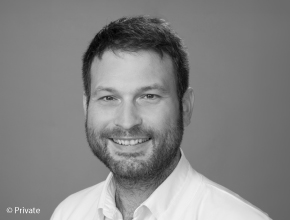 Univ.-Prof. Dr. Georg Daniel Dürr
Coordinator curAIAlert
Head Congenital Heart Surgery, Head Basic Research Laboratory, Department of Cardiovascular Surgery, University Medical Center Mainz
Link to Cardiovascular Surgery
[javascript protected email address]
Subprojectleader:
Dr. Philipp Busch, MindGames GmbH
curAInnovate
curAInnovate serves as the structural, communicative, and cultural backbone of the cluster. It will serve as the foundation for central measures for the sustainable implementation, transfer into practical application, and further development of curATime innovations. The goal is to create a high-performing and adaptable innovation environment that structurally safeguards research results, makes them economically viable, and generates sustainable cluster dynamics.

curABAIOM - Tailored Secure & Privacy-Preserving AI Infrastructure for Cluster-Specific Biomedical and Omics Research
curABAIOM further develops the privacy-focused research platform created in the predecessor project curAHub and extends it with key components for secure deployment within the curATime cluster. The project aims to establish a highly secure, modular, scalable, and interoperable infrastructure that combines the needs of research, healthcare, and technology while meeting the strict data protection and security requirements of the healthcare sector.
A central focus is the privacy-compliant integration of external data sources and biomedical knowledge. This enables complex research data from different domains to be combined and analyzed using advanced AI methods to generate new medical insights. The platform is complemented by a powerful, flexibly scalable infrastructure for compute-intensive analyses and a cloud architecture designed for provider independence.
With these developments, curABAIOM serves as a technical enabler for precise, data-driven, and collaborative cardiovascular research within the cluster.
Univ.-Prof. Dr. med. Philipp Wild
Coordinator curABAIOM
Preventive Cardiology and Medical Prevention, Professorship „Clinical Epidemiology“, Coordinator Gutenberg Health Study (GHS), Principal Investigator Deutsches Zentrum für Herz-Kreislaufforschung (DZHK)
[javascript protected email address]
Subprojectleader:
André Rinau, Privacy UG
curAConnect - Culture – Networking – Training
curAConnect emerged from the first phase projects curAEducate and curACulture and aims to strengthen and sustain curATime’s future-oriented cluster culture over the long term. At the same time, early-career researchers are to be specifically supported—through initiatives such as the mentoring program, the annual Career Day, and a lecture series thematically aligned with curATime—and positioned as key drivers of future developments. The cluster’s visibility is enhanced through the close integration of education and professional development via our curAAcademy initiatives, active networking through events such as networking sessions with biotech companies, and strategic public relations efforts that target not only the general public but also specific groups, including patients, families, and companies. In this way, curATime is to be established and effectively developed as a leading innovation cluster both nationally and internationally. Additionally, collaborations will be strengthened, innovative formats developed, and sustainable structures created to ensure long-term knowledge transfer and interdisciplinary exchange within the cluster.
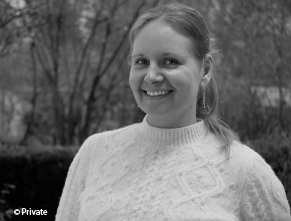 Dr. Anja Schubert
Coordinator curAConnect
TRON gGmbH, Project-and Cooperation management
[javascript protected email address]
Subprojectleader:
Dr. Cathrin Nourse, University Medical Center Mainz
Projects of the first funding period
curAIdent - biosignATure - System-oriented, multiomics identification of biomarker signatures for the detection, quantification and treatment of atherothrombosis
Atherothrombosis is the leading cause of disease and death worldwide despite advances in medicine. The multifaceted pathomechanisms of this disease are only inadequately addressed by currently available therapeutics and about 95% of the candidates tested in trials fail in the early clinical development phase.
The biosignATure project focuses on therapeutic targets that are central to the onset and progression of the disease and have the potential for the development of drugs with add-on effects to conventional treatments in the project, state-of-the-art analytical artificial intelligence methods are applied to identify novel therapeutic targets from biodatabases with deep clinical phenotyping and multiomics data at sequential time points. The resulting pipeline is complemented by data from experimental mechanistic research.
In biosignATure, a multidisciplinary panel translational research, drug development, and clinical application evaluates results at all steps of development for clinical use of innovative RNA technology and the use of biomarker signatures.
Univ.-Prof. Dr. med. Philipp Wild
Coordinator biosignATure
Preventive Cardiology and Medical Prevention, Professorship „Clinical Epidemiology“, Coordinator Gutenberg Health Study (GHS), Principal Investigator Deutsches Zentrum für Herz-Kreislaufforschung (DZHK)
[javascript protected email address]
curAIdent - curATarget - Atherosclerosis targets in thrombo-inflammation
The goal of curATarget is to identify and prioritize thrombo-inflammatory targets for loco-regional reprogramming of immune reactions in athero-thrombotic diseases.
Thrombo-inflammation, the interplay of inflammatory and thrombotic processes, contributes significantly to the residual risk in the context of current therapies for cardiovascular diseases. These atherogenic processes locally influence immune responses in the vessel wall. This project combines high-resolution single-cell analyses in preclinical models and clinical samples to molecularly define pro- and anti-atherogenic immune cell functions and relate these to clinical biomarker profiles of atherothrombosis. Standardized bioinformatics pipelines and AI-based methods will be developed for the classification of immunological alterations in atherothrombotic lesions and for the identification of new therapeutic targets for cell type specific reprogramming as part of the overall project.
Univ.-Prof. Dr. Wolfram Ruf
Coordinator curATarget
Scientific Director of the Center for Thrombosis and Hemostasis at the University Medical Center Mainz
[javascript protected email address]
curAIdent - microbAIome - Host-microbiome interactions in atherothrombosis
The microbAIome project investigates the role of the microbiome in atherothrombosis. In particular, bioinformatic analysis of RNA sequencing results is performed. In a complementary approach, clinical microbiomes from patients, that took part in population studies and show cardiovascular diseases, are transplanted into germ-free recipient mice to investigate the role of these microbiomes in arterial thrombosis. In addition, potential targets within the sphingolipid synthesis pathway will be investigated with regard to the development of atherothrombosis. Together with the analysis of stool samples from patients with cardiovascular diseases, this translational project will help us to learn about the effects of the gut microbiome and its impact towards cardiovascular diseases, which will be helpful in the future for optimal diagnosis, stratification and treatment of patients.
Univ.-Prof. Dr. Christoph Reinhardt
Coordinator microbAIome
Center for Thrombosis and Hemostasis at the University Medical Center Mainz
[javascript protected email address]
curAIdent - curABodies - Atherothrombosis-associated autoantibody signatures as disease predictors and biomarkers for diagnosis and therapy
In the course of the curABodies project, we want to use a technology platform developed by TRON and BioNTech together with the findings from high-quality disease and cohort studies, as well as the epidemiological and systems medicine expertise of Unimedizin Mainz, to identify new disease-relevant autoantibody signatures for cardiovascular diseases on an unprecedented scale and resolution. The aim here is to make the autoantibody signatures usable as biomarkers or target structures for the development of new diagnostic and therapeutic applications.
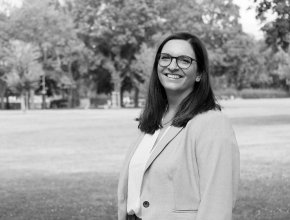 Carina Versantvoort
Coordinator curABodies
TRON gGmbH, Head of the Functional Unit Serodiscovery
[javascript protected email address]
curAIdent - diAMs - High-resolution 4D proteomics and lipidomics platform for the deciphering of molecular pathomechanisms of atherothrombosis
The diAMs platform uses high-resolution quantitative data-independent mass spectrometry technologies established within the Mainz research core DIASyM. The generated multidimensional datasets at protein and lipid levels, together with bioinformatics workflows, machine learning and multi-OMICS data integration, enable comprehensive characterization of clinical samples and deciphering of complex pathophysiological mechanisms in different diseases.
The diAMs platform develops and optimizes highly sensitive methods for the quantitative characterization of complex proteomes and post-translational protein modifications and for the characterization of lipid immunomodulators. These are used to identify multi-OMICs-based signatures induced during macrophage reprogramming and platelet activation. The diAMs platform utilizes state-of-the-art bioinformatics workflows for the integration of multi-OMICs datasets and their annotation and interpretation using biological network and pathway data analysis for patient stratification and biomarker discovery.
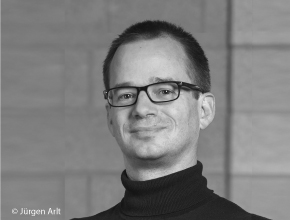 Univ.-Prof. Dr. Stefan Tenzer
Coordinator diAMs
Institute for Immunology, University Medical Center Mainz
[javascript protected email address]
curATreat - curAIntervent - Locoregional RNA immunotherapy of atherothrombosis
Within the framework of curAIntervent, the preclinical foundation for innovative therapy options against atherothrombosis will be developed by using the RNA technology established in TRON. This will create the basis for industrial drug development. We want to achieve this goal together with our industrial partner, resano GmbH, which is aimed towards the implementation of clinical studies. The use of nanoparticle-formulated, systemically applied RNA is in the foreground here. Through the cooperation with the group of Prof. Lutz Nuhn (University of Würzburg), the respective nanoparticle formulation is going to be developed making targeted therapies against atherothrombosis possible. Potential target structures will be identified by applying methods from artificial intelligence to multi-omics data from large clinical cohorts together with population-based studies of our partner, University Medical Center Mainz. The focus is placed here on target structures that are clinically relevant and accessible to drug therapy.
Dr. Johnny Kim
Coordinator curAIntervent
TRON gGmbH
[javascript protected email address]
curATreat - megATarget - Megakaryocyte targeting for the generation of reparative thrombocytes
Cardiovascular diseases cause one third of all deaths worldwide. Among these, atherothrombosis is the main cause of heart attack and stroke. Here, part of a thickened, fatty blood vessel wall detaches and the resulting blood clot can lead to vessel occlusion and sudden interruption of the blood supply. Despite advances in the treatment of atherothrombosis, vascular occlusion continues to occur even within optimized therapies.
The aim of this project is to develop a novel therapeutic approach that specifically addresses the interplay of blood coagulation and inflammatory processes in atherothrombosis. Various thrombocyte functions play a central role in this. Together with our project partners, we want to reprogram precursors of thrombocytes in the bone marrow (megakaryocytes) using nucleic acid-based agents for the generation of therapeutically effective thrombocytes. Therefore, the first phase of the project is aimed at the establishment of techniques for the optimization of the packaging and specificity of the active substances our project partners. We further want to design and synthesize new nucleic acid-based active substances and investigate their efficacy.
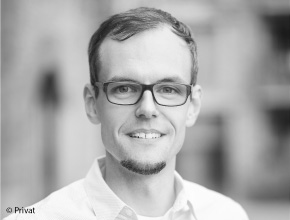 Jun.-Prof. Dr. Carsten Deppermann
Coordinator megATarget
Juniorprofessor for Systemic Interactions of Hemostasis, Center for Thrombosis and Hemostasis, University Medical Center Mainz
[javascript protected email address]
curATreat - heartATech - Monocyte-macrophage reprogramming for the prevention of ischaemic heart failure after myocardial infarction
heartATech addresses monocyte-macrophage reprogramming to prevent ischemic heart failure (IHF) after myocardial infarction (MI) using synthesized mRNA with Lipoplex formulation.
Monocytes are addressable in cardiac remodeling by synthesized mRNA with Lipoplex formulation and can act as a therapeutic shuttle to prevent the development of IHF. Ribotherapeutics can thus address appropriate signaling pathways in a tissue-specific manner to achieve low side-effect, efficient immunomodulatory therapy after MI. We aim to investigate the role of coagulation proteases and their receptors in monocyte-macrophage driven cardiac remodeling after MI. These functions are essential for mediating excessive cardiac fibrosis. We plan to study mice lacking the acid-sensing receptors, thus preventing reprogramming of proinflammatory cells toward tissue-repairing cells. Both receptors may be addressable targets to attenuate cardiac and vascular dysfunction in IHF.
Prof. Dr. med. Philip Wenzel
Coordinator heartATech
Deputy Director Centrer for Cardiology I, Director Heart Failure Unit HFUZ037, Center for Thrombosis and Hemostasis, University Medical Center Mainz
[javascript protected email address]
curATreat - endoTArget - Development of therapeutic strategies in autoimmune thrombosis
The goal of endoTArget is to develop therapeutic strategies in autoimmune thrombosis.
Autoimmune diseases lead to cardiovascular complications and thrombosis especially in the antiphospholipid syndrome. The discovery of the pathogenic target for antiphospholipid antibodies (aPL) opens new therapeutic approaches for thrombo-inflammatory diseases. The association of aPL with severe progression in COVID-19 and evidence of vascular bed-specific uptake of SARS-CoV-2 virus suggest overlapping mechanisms of autoimmune disease and viral infection in thrombo-inflammatory endothelial dysfunction. This project will characterize these prothrombotic mechanisms in endothelial cells, elucidate the repertoire of autoantibodies with respect to endothelial targets using an innovative biomarker platform, and define the endothelium-protective effects of targeted preclinical intervention in prothrombotic autoimmune mechanisms.
Univ.-Prof. Dr. Wolfram Ruf
Coordinator endoTArget
Scientific Director Center for Thrombosis and Hemostasis, University Medical Center Mainz
[javascript protected email address]
curATech - curAIscid - curATime AI science and development
curAIscid aims to develop widely applicable solutions to cross-project AI problems. The following four topics have been identified as essential in advance:
Small data: The problem of small datasets is to be addressed through approaches such as transfer learning, data augmentation as well as knowledge-intensive machine learning.
Explainability: AI-based predictions may be due to purely associative rather than causal factors, highlighting the need to combine both explainable AI and formal causal inference methods.
Representation Learning and Phenotyping: The use of e.g. autoencoder-assisted dimensionality reduction can reduce complexity and noise in multidimensional data.
Privacy and Fairness: In order to ensure data protection and confidentiality, the project will investigate concepts of differential privacy.
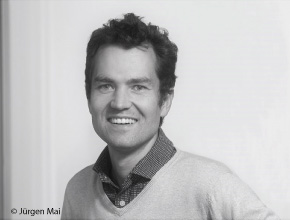 Prof. Dr. Sebastian Vollmer
Coordinator curAIscid
Head of the Research Area Data Science and its Applications, German Research Center for Artificial Intelligence GmbH
[javascript protected email address]
curATech - curAIvasc - AI-based analysis of vascular imaging for optimized optimised multidimensional information assessment
curAIvasc aims to develop innovative technologies and pipelines for the analysis of multi-dimensional biodata on vascular function and structure and to transfer them into patient-oriented research.
In close collaboration, the German Research Centre for Artificial Intelligence and the University Medical Center Mainz will analyse vascular imaging data from the large-scale y Gutenberg Health Study and disease-specific cohorts. Standardised pre-processing steps, harmonisation processes and quality controls create the basis for an AI-based cross-cohort exploration of the data, leading to the development ofa modern Deep Learning-based multi-dimensional pipeline for image-based prediction of individual disease progression and personalised risk assessment. The identification of the most influential variables will help to transfer new biologically based influencing factors for risk assessment into medical research and to create a better understanding of the molecular processes of atherothrombosis.
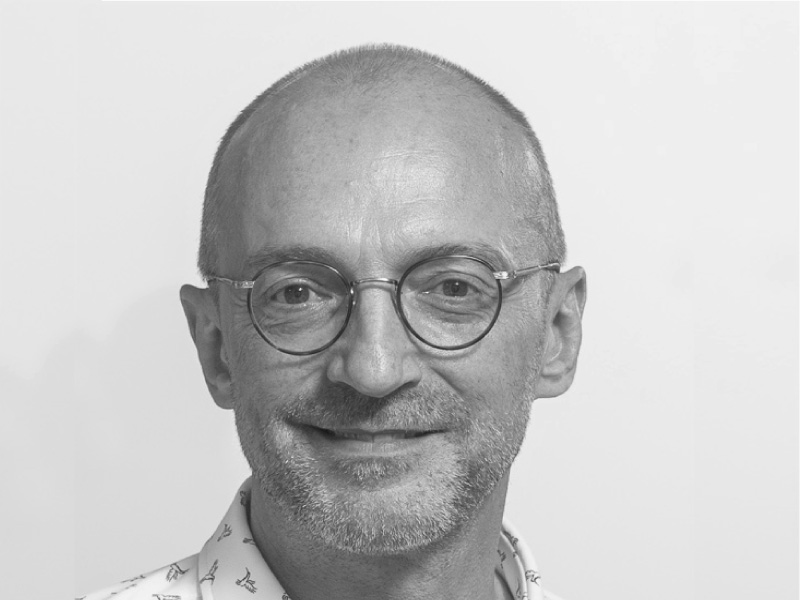 Univ.-Prof. Dr. Prof. h.c. Andreas Dengel
Coordinator curAIvasc
Managing Director German Research Center for Artificial Intelligence GmbH
[javascript protected email address]
curATech - curAIheart - Artificial intelligence based evaluation of echocardiographic image data under consideration of high-dimensional clinical data
Echocardiography is a clinically established procedure for determining structure and functional parameters of the heart for classification and risk assessment of cardiovascular diseases. This is a laborious process, which in the clinic has so far been based on the visual evaluation of recorded video loops by clinical staff. Current methods still rely on the selection of defined image regions by medical staff and depend heavily on expertise and experience.
In curAIheart, innovative machine learning methods will be used to automate deep analysis of echocardiographic images and digitally recorded image information. The analysis of the recordings will incorporate the image loops themselves as well as data from molecular biology that will enable a deeper analysis. The pipeline to be developed will improve risk assessment and early detection of cardiovascular disease and will allow integration with other diagnostic data.
Univ.-Prof. Dr. Stefan Kramer
Coordinator curAIheart
Institute for Informatics, Johannes Gutenberg University Mainz
[javascript protected email address]
curATech - curAIsig - High-dimensional robust signal processing
curAIsig develops innovative technologies in systems-oriented biomedical research. In today's clinical practice, analytical methods are used that can lead to incorrect interpretations of results, especially in the case of data outliers and small sample sizes placed in relation to dimensionality. We will therefore develop and apply robust signal processing and statistical learning methods to discover novel and reproducible biomarker signatures.
The first contribution of curAIsig deals with autonomic dysfunctions leading to the development of atherosclerotic diseases and their consequences. New methods will be developed to extract clinically robust biomarkers from heart rate variability measurements. Furthermore, novel learning methods will be explored to develop clinically interpretable models from high-dimensional multi-omics and resulting data. We will apply these to biodatabases of the University Medical Center Mainz and will evaluate them in the context of the pathophysiology of atherothrombosis.
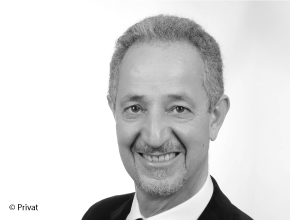 Prof. Dr.-Ing. Abdelhak Zoubir
Coordinator curAIsig
Signal Processing Group, Technical University of Darmstadt
[javascript protected email address]
curATech - curAIknow - Application of the life science knowledge graph Ontosight® to support the prediction and validation of AI-generated hypotheses on the basis of patient data and healthy controls
curAIknow deals with the development of knowledge-based machine learning methods based on a very large biomedical knowledge graph for use within the curATime cluster. An existing knowledge graph, Ontosight, covering almost all relevant public knowledge in the biosciences, will be combined with large-scale data from healthy individuals and patients for integrated analysis. Two directions will be pursued: On the one hand, the use of knowledge a priori in a machine learning algorithm. On the other hand, the use of knowledge a posteriori to retrospectively verify purely data-driven learned machine learning models in light of existing knowledge. Part of this task is the development of a so-called discovery agent that discovers or evaluates connections between two entities in the knowledge graph.
Univ.-Prof. Dr. Stefan Kramer
Coordinator curAIknow
Institute for Informatics, Johannes Gutenberg University Mainz
[javascript protected email address]
curAInnovate - curAHub - Concept development for a platform for the use, processing and creation of value creation from biodata
The curAHub project is an initiative to develop a concept for a professional data analysis and technology platform for translational biomedical research.
Central to the concept is the regulated use of high-quality, multidimensional data from longitudinal cohort and patient studies as well as external data. State-of-the-art AI tools and statistical methods, as well as scientific advice on data selection and analysis techniques aim to facilitate the translation of biomedical findings into clinical application. The platform will provide a legally compliant, data safe and -secure digital environment that fosters interdisciplinary collaboration between science and industry, enabling the synergistic use of various competencies. Additionally, legal advice on the market launch of new medical products, patents, and spin-offs will be offered. The commercialization of the platform concept is intended to ensure its long-term sustainability.
Univ.-Prof. Dr. med. Philipp Wild
Coordinator curAHub
Preventive Cardiology and Medical Prevention, Professorship „Clinical Epidemiology“, Coordinator Gutenberg Health Study (GHS), Principal Investigator Deutsches Zentrum für Herz-Kreislaufforschung (DZHK)
[javascript protected email address]
curAInnovate - curAEducate - Networking, training, competence development
The goal of curAEducate is to establish a comprehensive network that educates and trains talents and specialists in an interdisciplinary, intersectoral and translational manner and binds them to the RMP region through excellent career perspectives. For this purpose, curAEducate is building an exchange platform in which knowledge transfer takes place by bringing together researchers of all levels of experience in the disciplines of medicine, life sciences and AI. Fellowships will be awarded in order to promote cross-locational research. A Young Investigator Academy will be established, including workshops tailored to curATime needs. An additional certificate for the acquisition of translational expertise will be established and prospectively integrated into a master's degree program. A newly developed manual explaining translational case studies will serve as learning material. Within the framework of hackathons, curATime-specific questions are worked on. In order to bind cluster members to curATime and the RMP region in the long term, a recruiting platform is being established for the job applications of partners and specialists seeking employment.
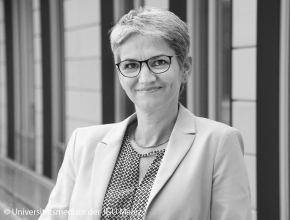 Dr. Cathrin Nourse
Coordinator curAEducate
Scientific coordinator Center for Thrombosis and Hemostasis, University Medical Center Mainz, Program coordinator Career program CTH
[javascript protected email address]
curAInnovate - curACulture - Development of an innovative and creative cluster culture
curACulture sets the basis for the long-term creation of a sustainable, joint, open, equal and innovative cluster culture of all active and associated partners. The concept serves to create a cluster identity for itself as well as to anchor the network in the region and to establish a network inside and outside Germany. In addition to an open and transparent communication culture, versatile and applicable research results are generated by promoting creativity and excellence.
To achieve this, our curAMeet cluster conferences and the curATalk seminar series are held at regular intervals as part of the project, and press and public relations work is coordinated. With the targeted mentoring programme curAMent and the Equality Reporting, we want to improve equal opportunities and thus promote a more balanced gender distribution and diversity in leadership positions. In addition, we want to actively support and encourage researchers to address population heterogeneities as well as gender differences.
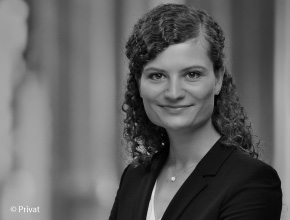 Dr. Nina Lolies
Coordinator curACulture
TRON gGmbH, Project management
[javascript protected email address]